Indoor Plant Grow Light: What It Is, How It Works, and When You Actually Need One
If you’ve ever tried growing plants indoors, you’ve probably heard the term indoor plant grow light — and maybe wondered whether it’s truly necessary or just another gardening trend.
The honest answer?
It depends on your space, your plants, and your expectations.
This guide breaks down what indoor plant grow lights really do, when they help, and how to know if your plants actually need one — without pushing products or overcomplicating things.
When I first started growing plants indoors, I assumed a sunny window would be enough. It took a while to realize that light behaves very differently indoors — and that misunderstanding caused more problems than anything else.
Why Indoor Plant Grow Lights Matter More Than Most Beginners Think
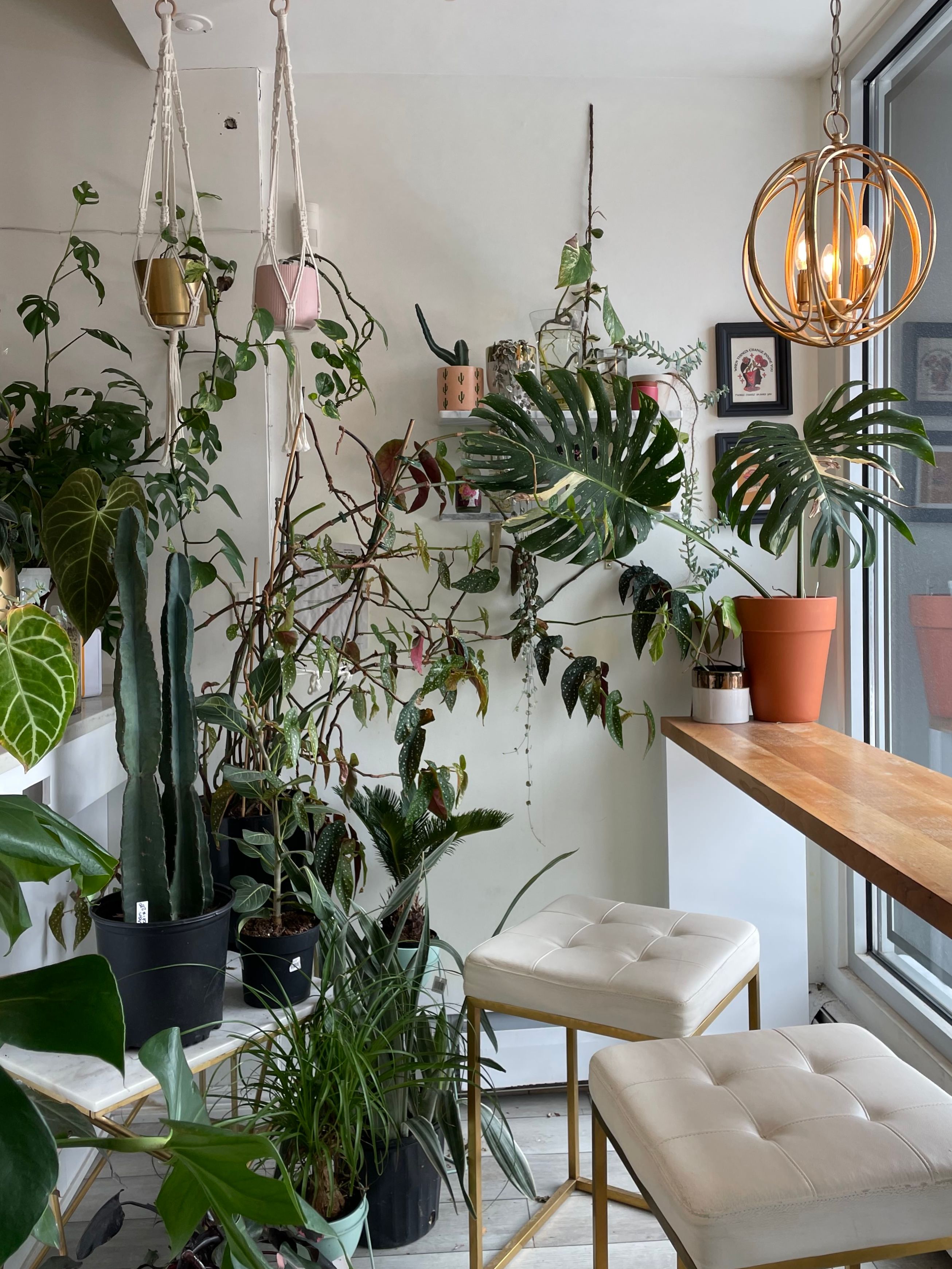
One thing I didn’t fully understand when I first looked into indoor plant grow lights was how different indoor light actually is from outdoor sunlight.
A room can feel bright to us and still be completely insufficient for plants. Glass filters light, daylight hours change constantly, and shadows move throughout the day. Plants don’t adapt well to that inconsistency — especially indoors.
Grow lights help by removing that unpredictability. They give plants the same type of light, at the same intensity, for the same duration every day. That consistency is often more important than raw brightness.
This is why many indoor gardeners notice that once lighting is fixed, other problems suddenly disappear. Growth becomes steadier, leaves look healthier, and plants stop stretching toward windows. It’s not about forcing plants to grow faster — it’s about giving them the stability they need indoors.
If you’re just getting started and want a clear overview of light, water, and setup, this indoor gardening for beginners guide explains the basics step by step.
👉 Indoor gardening for beginners guide
👉 How Long Do Indoor Plants Need Light Each Day?
Why Indoor Light Often Isn’t Enough
Most people assume a bright room equals enough light for plants.
In reality, human eyes and plants see light very differently.
Plants need:
consistent light exposure
specific wavelengths
enough intensity over several hours
A room that feels bright to us can still be too dim for healthy plant growth — especially during fall and winter.
That’s where indoor plant grow lights come into the picture.
What Is an Indoor Plant Grow Light?
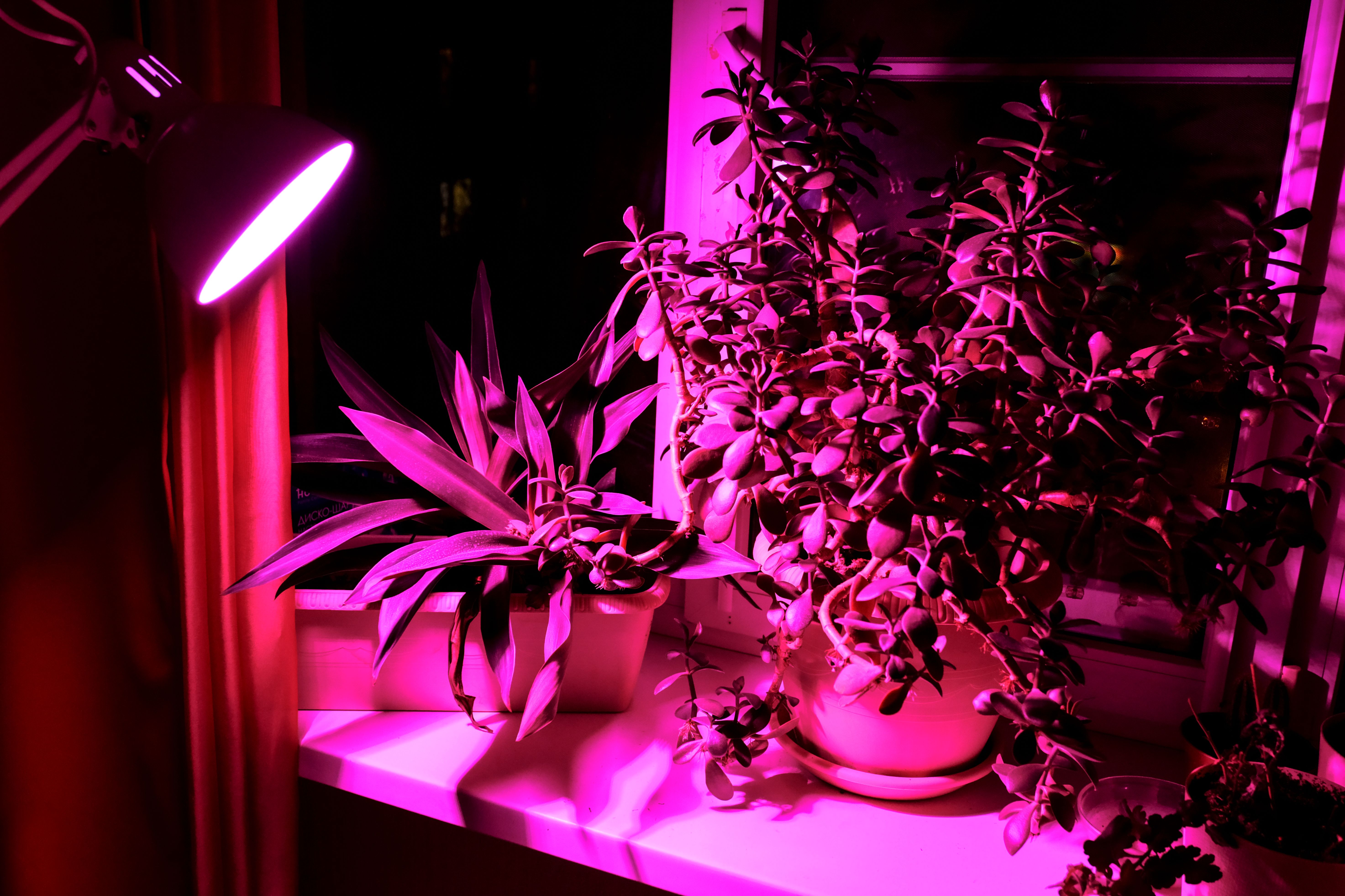
An indoor plant grow light is a light source designed to support photosynthesis — the process plants use to turn light into energy.
Unlike regular bulbs, grow lights are designed to:
deliver usable light wavelengths
provide steady intensity
stay on for long periods safely
They don’t replace sunlight entirely, but they can supplement or mimic it, especially indoors.
Signs Your Plants Might Need a Grow Light
You don’t always need a grow light. But plants will show you when light is lacking.
Common signs include:
long, stretched stems
pale or yellowing leaves
slow growth
plants leaning toward windows
weak or floppy structure
If you notice these patterns — especially in winter — adding controlled light can make a noticeable difference.
Check out our post on Why Indoor Plants Stretch Toward Windows and How to Fix It.
How Grow Lights Support Healthy Indoor Growth
An indoor plant grow light helps by offering:
consistent daily light exposure
predictable growth patterns
improved leaf color
stronger stems
better overall plant structure
For herbs and leafy greens, proper lighting often matters more than fertilizer.
It’s not about forcing plants to grow — it’s about giving them what they’re missing.
Grow Lights vs Natural Sunlight
Sunlight will always be the gold standard.
But indoor conditions rarely match it.
Grow lights are useful when:
windows face north
daylight hours are short
plants sit far from windows
apartments block direct sun
seasonal light drops occur
Many indoor gardeners use a mix of both — sunlight during the day and grow lights in the evening.
What Types of Plants Benefit Most?
Grow lights are especially helpful for:
herbs (basil, mint, parsley)
leafy greens (lettuce, spinach, kale)
seedlings
young plants
houseplants in low-light rooms
Plants that naturally grow in shade may need less support, while sun-loving plants often need more.
Common Misconceptions About Grow Lights
“Grow lights make plants grow unnaturally fast.”
→ Not true. They support healthy growth — not forced growth.
“You need expensive equipment.”
→ Many setups are surprisingly simple.
“They’re only for hydroponics.”
→ Grow lights work for soil-grown plants too.
“Plants will burn under lights.”
→ Only if placed incorrectly or used excessively.
Understanding how plants respond to light makes the process far less intimidating.
A More Balanced Way to Think About Indoor Grow Lights
Instead of asking, “Do I need an indoor plant grow light?”
Try asking:
“Are my plants getting enough consistent light?”
“Is growth steady or struggling?”
“Do seasons affect my indoor setup?”
Grow lights aren’t a requirement — they’re a tool.
When used thoughtfully, they simply help plants do what they’re already trying to do.
Final Thoughts
An indoor plant grow light isn’t about replacing nature — it’s about supporting it indoors.
For many people, especially those in apartments or darker homes, grow lights quietly solve problems before they become frustrating.
You don’t need to rush into buying anything.
Observe your plants.
Notice how they respond.
And let their growth guide your next step.
Sometimes, the best gardening decisions are the simplest ones.
Related Posts
Looking for Indoor Gardening Supplies?
Do You Really Need Soil?
Click & Grow Smart Garden 9 Review