Soil and Greens: Do You Really Need Soil to Grow Fresh Greens at Home?
When most people think about growing food, they immediately picture soil and greens — pots filled with dirt, messy hands, and plants struggling near a window.
That’s how gardening has worked for centuries.
But here’s something many beginners don’t realize:
👉 Soil isn’t actually required to grow healthy, fresh greens.
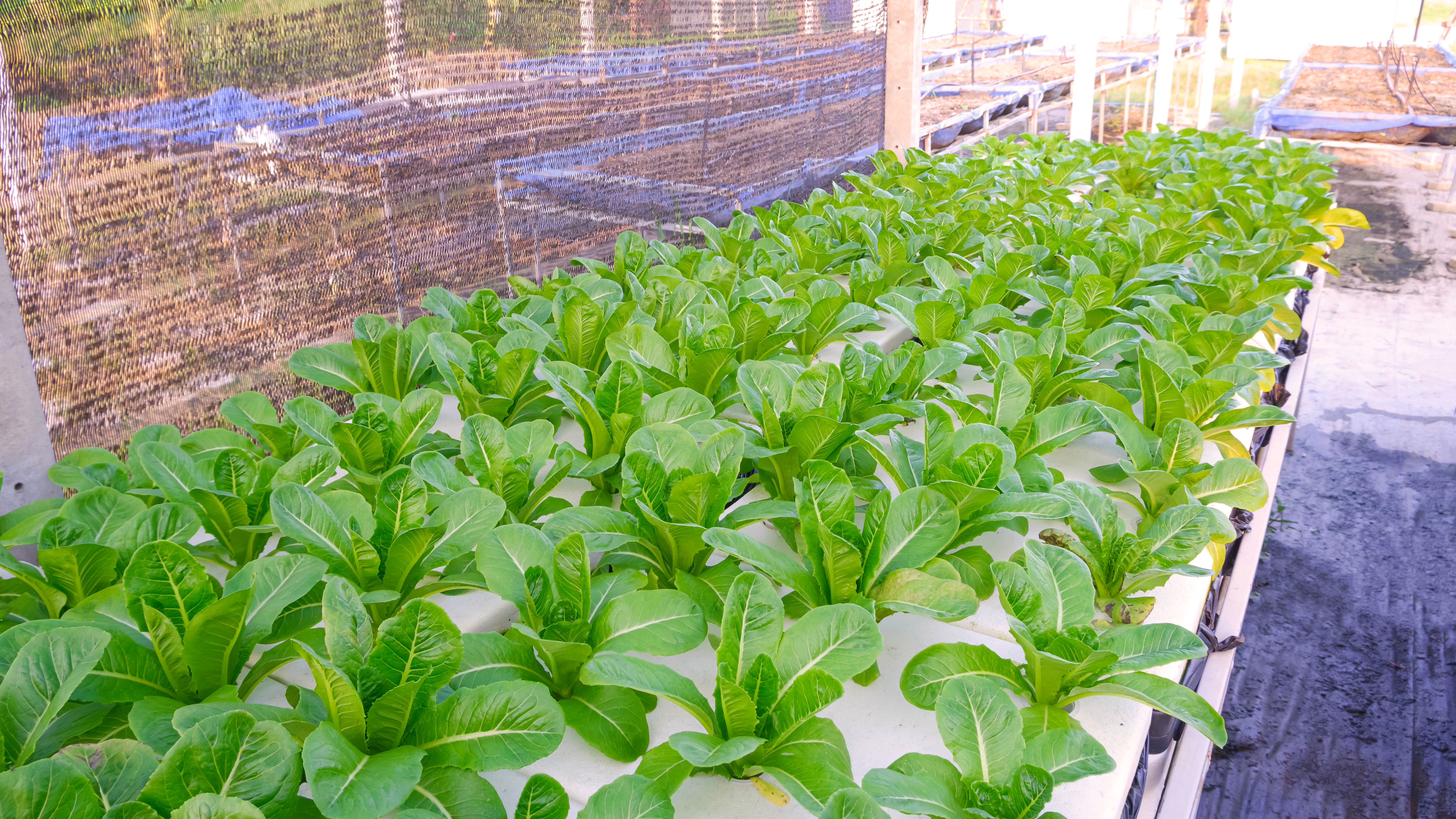
In fact, some of the cleanest, fastest-growing greens today are grown without soil at all.
Let’s talk about why — and what that means for modern indoor gardeners
Why Soil Has Always Been Linked to Greens
Traditionally, soil plays three roles when growing greens:
Holds the plant upright
Stores water
Delivers nutrients to the roots
For a long time, soil was simply the easiest way to do all three at once.
But soil also comes with challenges:
pests and fungus
inconsistent nutrients
overwatering or underwatering
mess indoors
limited control
That’s where modern growing methods start to change the conversation.
Growing Greens Without Soil: How Hydroponics Works
Hydroponics flips the traditional idea of soil and greens upside down.
Instead of soil, plants are grown using:
water
oxygen
carefully balanced nutrients
The roots are suspended in a water-based environment where they receive everything they need directly — no soil required.
Because of this, hydroponic greens often:
grow faster
use less water
stay cleaner
require less space
produce more consistent results
For indoor growing, especially in apartments or homes without gardens, this can be a game changer.
Do Greens Taste Different Without Soil?
This is a common concern — and a fair one.
The answer?
They usually taste just as good, if not better.
Flavor comes from:
plant variety
nutrient balance
light exposure
Not from soil itself.
In hydroponic systems, nutrients are controlled very precisely, which often leads to:
stronger flavors
more vibrant color
better texture
Many restaurants actually prefer hydroponically grown greens because of consistency and freshness.
Soil vs Hydroponics for Home Growing
Here’s a simple comparison to help visualize the difference:
Traditional Soil Gardening:
Needs space
Can be messy indoors
Requires pest control
Slower growth
Dependent on light and weather
Hydroponic Growing:
Clean and soil-free
Works year-round
Minimal maintenance
Faster growth
Ideal for kitchens and small spaces
If your goal is to grow greens at home with the least frustration possible, hydroponics often wins.
What Greens Grow Best Without Soil?
Some greens are especially well-suited for hydroponic growing:
Lettuce
Basil
Spinach
Arugula
Kale
Pak choi
Cilantro
These plants have shallow root systems and thrive in water-based environments, making them perfect for beginners.
Rethinking “Soil and Greens” for Modern Living
The idea that soil and greens must always go together is slowly changing.
While soil gardening still has its place, many people today:
live in apartments
work long hours
want clean indoor solutions
don’t want bugs or dirt
Hydroponics makes growing greens accessible to people who never thought they could do it before.
You don’t need a backyard.
You don’t need gardening experience.
And you definitely don’t need bags of soil in your living room.
Final Thoughts
Soil will always be part of gardening history — but it’s no longer a requirement for growing fresh, healthy greens.
If you’ve been curious about growing your own food but felt limited by space, time, or mess, hydroponics offers a modern alternative that fits real life.
Sometimes, the best way to grow greens…
is to leave the soil behind.
Related Posts
Best Indoor Hydroponic Kit for Beginners
Growing a Garden? Look here!
Best Herbs to Grow Indoors