Indoor Gardening for Beginners: The Simple Setup That Actually Works
When people first try indoor gardening, they usually make things harder than they need to be.
They buy too many plants.
They move things around constantly.
They water too often.
They expect fast results.
And then, when things don’t go perfectly, they assume indoor gardening just “isn’t for them.”
But the truth is: indoor gardening works best when you keep it simple — especially at the beginning.
This post walks you through a setup that actually works for beginners, without overthinking or overspending.
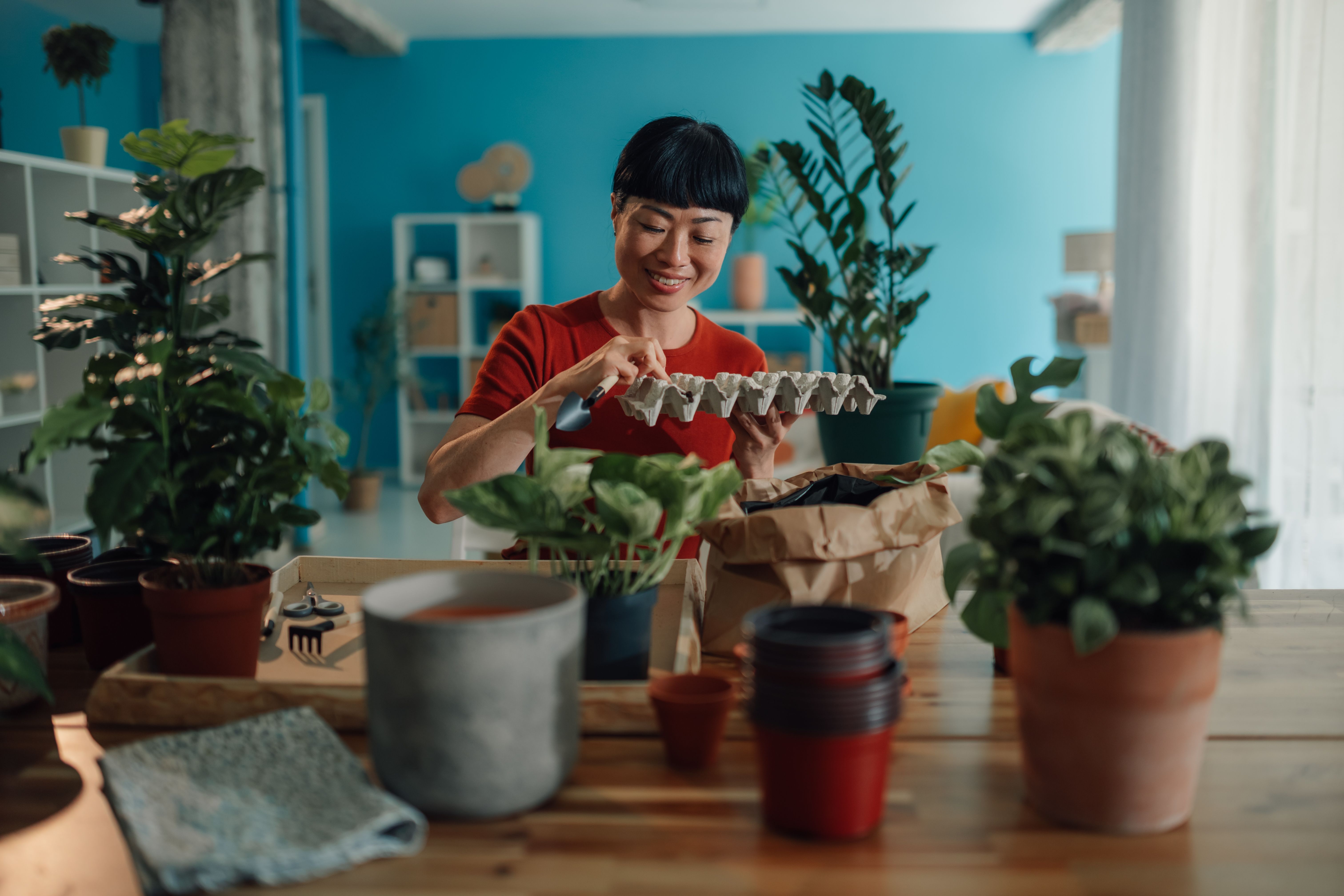
Step 1: Start With the Right Plants
Not all plants are beginner-friendly indoors.
The easiest plants to grow are the ones that:
grow fast
tolerate small mistakes
don’t need perfect light
show progress quickly
If you’re just starting, stick to:
basil
mint
lettuce
spinach
green onions
parsley
pothos or philodendron (for confidence boosts)
Starting small helps you learn without frustration.
Step 2: Light Matters More Than Almost Anything Else
Most indoor gardening problems come down to light.
Even if your room feels bright, your plants may not be getting enough consistent light to grow properly. Plants need hours of steady light, not just sunlight passing by a window.
If your plants:
stretch toward the window
grow slowly
look pale
…it’s usually a lighting issue, not a watering issue.
A simple grow light can solve this — but even just moving plants closer to a bright window helps more than people expect.
Step 3: Water Less Than You Think
Overwatering is the most common mistake beginners make.
Indoor soil dries much slower than outdoor soil, especially in apartments where airflow is limited. If the top layer of soil is still damp, wait.
A simple rule:
If you’re unsure whether to water — don’t.
Plants recover from dryness much better than from root rot.
Step 4: Choose One Spot and Don’t Move Plants Constantly
Plants like routine.
Moving them every few days (more sun, less sun, warmer spot, cooler spot) forces them to constantly adapt — and that slows growth.
Pick a spot with:
stable light
steady temperature
minimal drafts
And leave them there.
You’ll see better results with less effort.
Step 5: Use a Setup That Matches Your Lifestyle
If you’re busy or forgetful, soil gardening may feel frustrating indoors.
That’s why many beginners eventually switch to:
self-watering planters
semi-hydro setups
hydroponic systems
These setups reduce guesswork and make consistency easier — which is what plants really need.
There’s no “right” method — only what fits your routine.
Step 6: Expect Slow Growth at First
Indoor gardening teaches patience.
For the first week or two, nothing seems to happen.
Then suddenly, you notice:
new leaves
thicker stems
brighter color
Growth is quiet — until it’s not.
If you stick with the basics, results always come.
Final Thoughts
Indoor gardening doesn’t require talent, special tools, or perfect conditions.
It requires:
simple plants
consistent light
light watering
patience
That’s it.
If you can do those four things, you can grow plants indoors — even in a small apartment, even with no experience, even if you’ve failed before.
Start small. Stay consistent. Let the plants do the rest.
Related Posts
Beginner’s Guide to Indoor Gardening
Indoor Plant Grow Light
Indoor Gardening Supplies
Hydroponic Garden Systems