How Often Should You Water Indoor Plants? A Simple Beginner Guide
Watering sounds like the easiest part of indoor gardening, but it is actually where many beginners struggle the most.
When I first started paying attention to indoor plants, I assumed watering was mostly about routine. Water every few days, keep the soil moist, and everything should be fine.
But indoor plants do not always work that way.
Some plants like the soil to dry out between watering. Some prefer slightly moist soil. Some struggle more from too much water than too little. Once you understand how indoor watering really works, plant care becomes much less stressful.
The simple answer is this:
Most indoor plants need water when the top layer of soil feels dry, not on a fixed schedule.
That one idea can prevent a lot of common beginner mistakes.
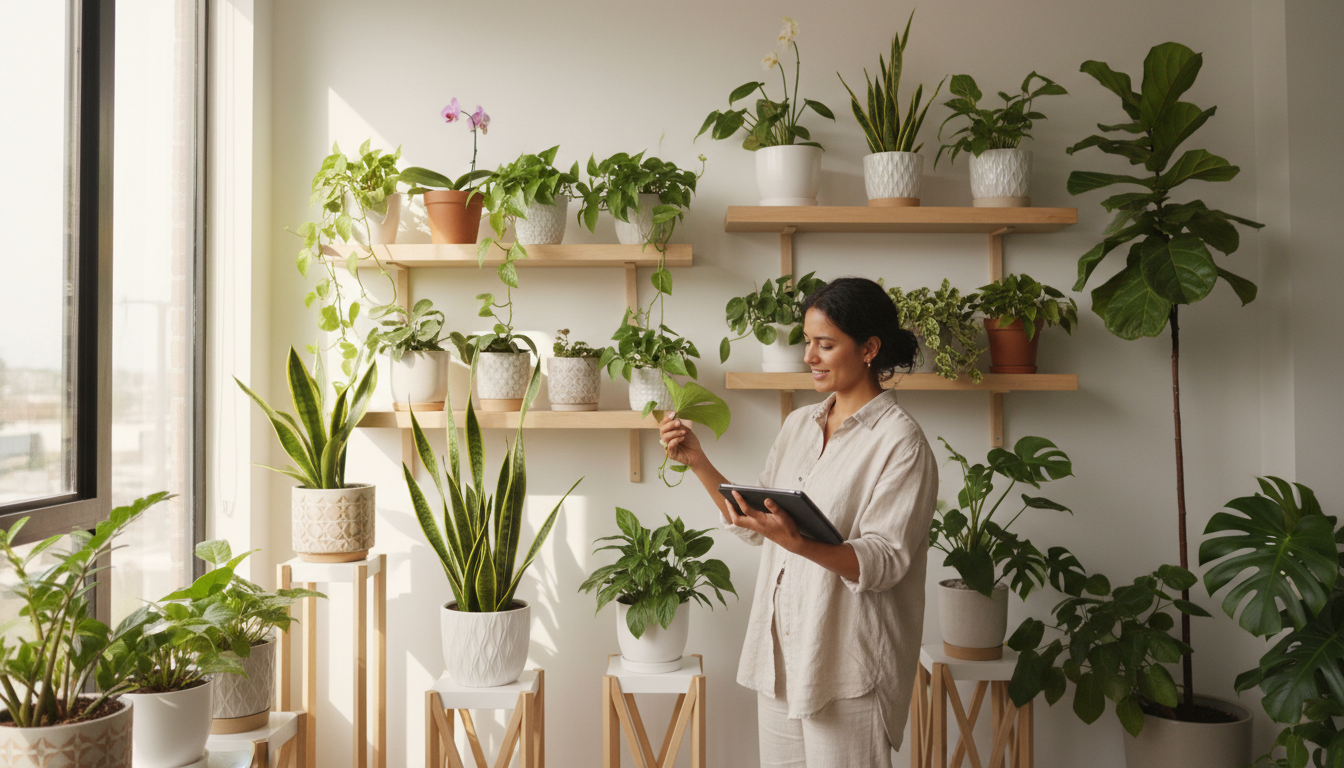
Do Indoor Plants Need Water Every Day?
No, most indoor plants do not need water every day.
In fact, daily watering is one of the easiest ways to damage indoor plants. Unlike outdoor plants, indoor plants usually grow in pots where water cannot drain away as freely. If the soil stays wet for too long, roots can become weak, stressed, or even start to rot.
Indoor plants usually need less water because:
they grow in controlled indoor temperatures
they receive less direct sunlight
they lose moisture more slowly
their pots hold water longer than outdoor soil
This is why checking the soil is better than following a strict calendar.
If you are new to indoor growing, my full indoor gardening for beginners guide explains the basics of light, watering, and setup in a simple step-by-step way.
How Often Should You Water Indoor Plants?
Most indoor plants are watered about once every 1–2 weeks, but this depends on the plant, pot size, soil type, light level, and season.
A plant sitting in a bright window may dry out faster than one in a darker corner. A small pot dries faster than a large pot. A warm room dries soil faster than a cool one.
Instead of asking, “How many days should I wait?” it is better to ask:
Is the soil actually dry yet?
That small shift makes indoor plant care much easier.
The Finger Test: The Easiest Way to Check Soil
The simplest way to know if your plant needs water is the finger test.
Place your finger about 1–2 inches into the soil.
If the soil feels dry, it may be time to water.
If the soil still feels damp, wait a little longer.
This method works because the top surface of soil can look dry while the lower layer is still moist. Watering only by appearance can lead to overwatering.
For beginners, the finger test is more useful than guessing or following a random schedule.
Signs Your Indoor Plant Needs Water
A thirsty plant often shows a few clear signs.
Common signs include:
dry soil
slightly drooping leaves
crispy leaf edges
lighter pot weight
leaves curling inward
slower growth
However, it is important not to rely on leaves alone. Some plants droop from too much water too, which is why checking the soil is always important.
Soil tells you more than leaves do.
Signs You Are Watering Too Much
Overwatering is one of the most common indoor gardening mistakes.
Signs of too much water include:
yellowing leaves
soft or mushy stems
constantly wet soil
fungus gnats
mold on the soil surface
a bad smell from the pot
leaves dropping even though the soil is wet
This can be confusing because overwatered plants sometimes look weak or wilted, just like underwatered plants.
The difference is usually in the soil.
If the soil is wet and the plant still looks unhappy, watering more will usually make the problem worse.
Why Indoor Plants Are Easy to Overwater
Indoor plants are easy to overwater because they live in a smaller, slower-drying environment.
Outside, extra water can move deeper into the ground. Indoors, water is trapped inside the pot until the plant uses it or it drains away.
That means three things matter a lot:
1. Drainage holes
A pot without drainage holes can hold too much water at the bottom.
2. Soil type
Heavy soil stays wet longer. Lighter potting mixes usually drain better.
3. Light level
Plants in low light use water more slowly. If a plant is not getting much light, it usually needs less water too.
Watering and lighting are connected. If your plants are also stretching toward windows or growing weakly, they may need more consistent light, not more water.
Should You Water on a Schedule?
A schedule can help you remember to check your plants, but it should not decide when you water.
For example, you can check your plants every Sunday, but only water the ones that actually need it.
A better beginner routine looks like this:
Check soil once or twice a week
Water only when the top layer feels dry
Empty extra water from saucers
Watch how each plant responds
Adjust slowly
This keeps plant care simple without turning it into guesswork.
How Much Water Should You Give Indoor Plants?
When you do water, water thoroughly.
That means adding water slowly until some begins to drain from the bottom of the pot. This helps the entire root area receive moisture instead of only wetting the top layer.
After watering, let the pot drain fully.
Do not let the plant sit in standing water for a long time. Roots need both moisture and air. Constantly wet roots can become stressed.
A good watering habit is:
Water deeply, then wait until the plant actually needs water again.
Be sure to also check Why Indoor Plants Stretch Toward Windows (And How to Fix It) here
Do Different Indoor Plants Need Different Watering?
Yes, different plants need different amounts of water.
Here is a simple beginner breakdown:
Succulents and cacti
These prefer soil to dry out well between watering. They usually need less frequent watering.
Common houseplants
Plants like pothos, philodendron, peace lily, and monstera usually prefer moderate watering.
Herbs and leafy greens
Indoor herbs and greens may need more consistent moisture, especially if they are growing under good light.
Hydroponic plants
Hydroponic systems are different because plants grow with water-based nutrients instead of traditional soil. Instead of watering soil, you usually monitor the water level and nutrient solution.
If you are using soil, always check the soil before watering. If you are using hydroponics, follow the system’s water-level guidance.
Does Season Affect Watering?
Yes, indoor plants often need less water in winter and more water during active growth.
In warmer, brighter months, plants usually grow faster and use more water.
In colder or darker months, growth slows down. When growth slows, plants use less water, and the soil stays wet longer.
This is another reason fixed schedules can cause problems.
A plant that needed water every week in summer may only need water every two weeks in winter.
A Simple Watering Routine for Beginners
Here is a simple routine you can follow:
Once or twice a week
Check your plants.
Before watering
Feel the soil with your finger.
If the soil is dry
Water slowly and thoroughly.
If the soil is damp
Wait a few more days.
After watering
Make sure extra water can drain away.
That is enough for most beginner indoor plant setups.
You do not need to overcomplicate it.
Final Thoughts
Indoor plant watering becomes easier once you stop using a strict schedule and start paying attention to the soil.
Most indoor plants do not want constant watering. They want the right balance: enough moisture to support growth, but enough drying time for the roots to breathe.
If you are unsure, it is usually safer to check the soil first and wait a little longer rather than watering too often.
Indoor gardening is mostly about learning small signals. Light, water, and plant response all work together. Once you understand those basics, caring for indoor plants becomes much more relaxed and enjoyable.